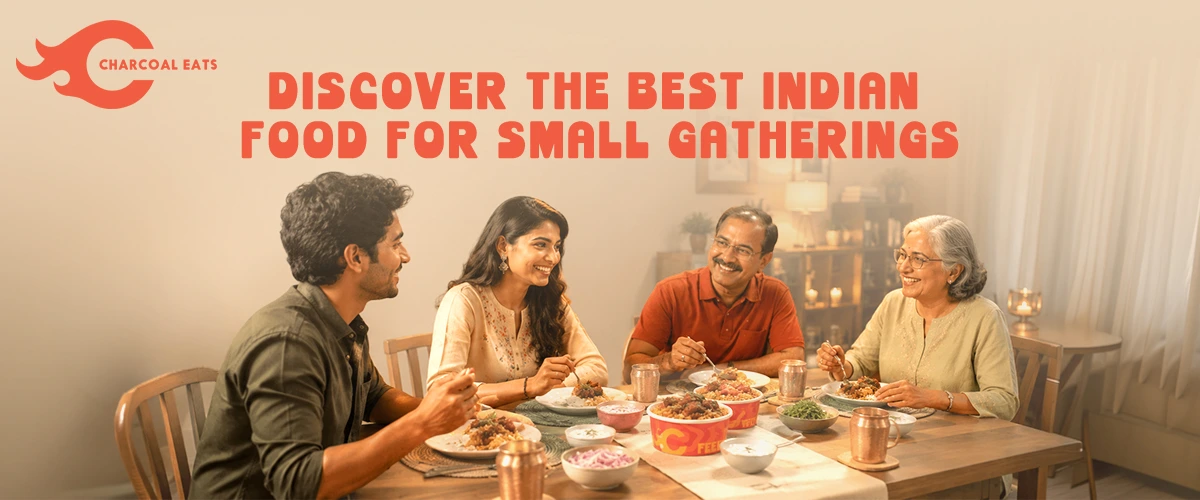
Small gatherings have a charm of their own. You are not planning a huge event or trying to put together a buffet for dozens of people. It is usually a few friends, family members or colleagues getting together, which means the food should be easy to share, enjoyable and simple enough to manage.
That is what makes Indian food for small gatherings such a practical choice. You can mix starters, mains, rice, breads and vegetarian options without turning the meal into a complicated spread. Whether it is a casual evening at home, a weekend catch up or a small celebration, a little planning can make the food feel generous without going overboard.
Why Indian Food for Small Gatherings Works Well
One of the best things about Indian food for small gatherings is the variety. You can have something smoky to start, something filling for the main course and a few accompaniments to round everything off. Guests can pick what they like instead of being limited to one dish.
This also makes it easier to plan around different preferences. Some people may want chicken or mutton, while others may prefer vegetarian food. Someone might reach for a kebab, while another person goes straight for biryani. With a few well chosen dishes, everyone gets a decent choice without needing a restaurant sized menu.
Start With Shareable Starters
For small group food ideas, starters are a good place to begin because they give people something to eat while everyone settles in.
Kebabs and tikkas are particularly convenient. They can be placed in the middle of the table and shared without much effort. You can choose one vegetarian option and one or two non vegetarian favourites, depending on the group.
Rolls can work too, especially when the gathering is informal. They are easy to pick up and can be eaten while people are chatting, watching a match or simply moving around the room.
The important thing is not to overdo the starters. If you are serving a proper main course, two or three options are usually enough.
Choose a Main That Can Carry the Meal
When planning Indian party food options, it helps to have one dish that can comfortably act as the centre of the meal.
Biryani is an obvious choice when it comes to food for small get togethers. It brings rice, spices and meat or vegetables in one filling dish, so you do not necessarily need several mains to make the table feel complete. A chicken or mutton biryani can sit alongside starters and accompaniments, while a vegetarian rice dish can give guests another option.
Curries are another good route. Pairing a couple of curries with rice or Indian breads gives everyone the chance to build their own plate. If you are expecting a mixed group, one vegetarian curry and one non vegetarian curry can keep the menu balanced.
Do Not Forget Vegetarian Options
Even when most people in the group eat meat, having vegetarian food available is worth considering. It does not need to take over the menu. One good vegetarian starter and one filling vegetarian main can be enough for a smaller gathering.
This also adds variety to the table. Vegetarian kebabs, rolls, curries and rice dishes can sit alongside chicken or mutton options without making the order feel excessive.
When planning Indian food for small gatherings, the goal is not to create separate menus for every guest. It is simply to offer enough variety that people can find something they genuinely want to eat.
How Much Food Should You Order?
This is where small gatherings can become surprisingly difficult to plan. Order too little and you may run out halfway through dinner. Order too much and you are left with several containers of food the next day.
Start with the number of people and the type of gathering. A group sitting down for dinner will usually eat differently from friends who are meeting for a couple of hours with snacks. If you already have a filling main such as biryani, you may need fewer starters than you would for a snack focused evening.
The good news is, you don’t have to figure it all out yourself. Charcoal Eats has a menu builder for party orders that helps you plan your food based on the number of people and their preferences. Just make your selections in a few clicks, and you can get a better idea of what to order for your gathering without the usual guesswork.
Planning Vegetarian and Non Vegetarian Food
A mixed group does not need a complicated ordering strategy. First, get a rough idea of how many people will want vegetarian food and how many will prefer non vegetarian dishes.
From there, choose a couple of options in each category. You could have a vegetarian kebab, a chicken starter, a vegetarian curry and a biryani, then add rice, bread or accompaniments based on the kind of meal you want.
This is especially useful when ordering Indian food for small gatherings because you can keep the menu varied without buying every dish on the menu.
Are Meal Boxes a Good Choice?
Meal boxes can be useful when the gathering is more casual or when everyone would rather have an individual portion. They reduce the need for serving shared dishes and make it easier to know roughly how much food each person has.
They can work particularly well for small office get togethers, family lunches or informal meetings where convenience matters. If the occasion is more social and sharing is part of the experience, larger dishes may be a better fit.
So, when deciding on Indian food for small gatherings, think about how people will actually eat. If everyone is sitting around one table, shared dishes can make the meal feel more communal. If people are moving around or eating at different times, individual meals may be easier.
Make Your Gathering Easier With Charcoal Eats
Planning a small gathering should not mean spending the entire day worrying about food. Charcoal Eats offers a range of Indian favourites that can be mixed and matched depending on the size of your group.
You can explore the Charcoal Eats Party Order options when you need food for a get together, whether you are looking for starters, mains or a combination of both.
If you already know what you want, you can also order Indian food online and have the meal sorted without having to prepare everything yourself.
Keep the Spread Simple
The best Indian food for small gatherings does not have to cover the entire dining table. A few starters, one or two satisfying mains, a vegetarian option and the right accompaniments can be more than enough.
The trick is to choose dishes that work well together and suit the people you are feeding. Think about what they enjoy, how much they are likely to eat and whether the gathering calls for shared food or individual portions. When the food is taken care of, everyone can get back to the good conversations, familiar faces and a little more time together.
FAQs
What are the best Indian food options for small gatherings?
Kebabs, tikkas, rolls, biryani, curries, rice dishes and vegetarian starters are good choices. A combination of shared starters and one or two filling main dishes can give guests enough variety without over ordering.
How much food should be ordered for a small group gathering?
The quantity depends on the number of guests, the type of gathering and whether you are serving a full meal or mainly snacks. Plan the main course first, then add starters and accompaniments according to the group’s appetite.
Which Indian starters are suitable for small get togethers?
Kebabs, tikkas, vegetarian starters and rolls are practical choices because they are easy to share and eat casually. Two or three varieties can provide enough choice for a smaller group.
How can you plan vegetarian and non vegetarian food for a small gathering?
Start by estimating how many guests prefer vegetarian and non vegetarian food. Choose one or two options from each category, then add a common rice, bread or accompaniment to create a balanced spread.
Are meal boxes suitable for small group gatherings?
Yes. Meal boxes can be useful when guests prefer individual portions or when convenience is important. They work particularly well for casual gatherings, office lunches and smaller group meals.